B2B Beverage Solutions: Rent vs. Purchase Explained

In the competitive world of beverage solutions, businesses often face a critical decision: should they rent or purchase their equipment? This choice can significantly impact operational efficiency, financial stability, and overall business success. Understanding the pros and cons of each option is essential for making an informed decision that aligns with your company’s goals.
Understanding the Basics
Before diving into the specifics of renting versus purchasing, it’s important to clarify what each option entails.
Renting Beverage Equipment
Renting involves acquiring equipment for a specified period, typically through a leasing agreement. This option allows businesses to use the equipment without the upfront costs associated with purchasing.
Purchasing Beverage Equipment
Purchasing means buying the equipment outright. This option requires a significant initial investment but can lead to long-term savings and ownership benefits.
Key Considerations
When deciding between renting and purchasing beverage equipment, consider the following factors:
Initial Costs
Renting: Generally requires lower upfront costs. Businesses can allocate funds to other areas while enjoying immediate access to necessary equipment.
Purchasing: Involves a higher initial investment. This can strain cash flow, especially for startups or small businesses.
Long-Term Financial Implications
Renting: While it may seem cost-effective in the short term, rental payments can accumulate over time, potentially leading to higher overall costs.
Purchasing: Although the initial cost is higher, owning equipment can lead to significant savings in the long run, especially if the equipment has a long lifespan.
Maintenance and Repairs
Renting: Often includes maintenance and repair services as part of the rental agreement. This can save businesses time and money, as they won’t have to worry about unexpected repair costs.
Purchasing: Owners are responsible for all maintenance and repairs. This can lead to additional expenses and downtime if equipment fails.
Flexibility and Upgrades
Renting: Provides flexibility to upgrade equipment as technology advances or business needs change. This is particularly beneficial in the beverage industry, where trends can shift rapidly.
Purchasing: Limits flexibility. Upgrading equipment often requires additional investment, which can be a barrier for some businesses.
Tax Implications
Renting: Rental payments are often tax-deductible as a business expense, which can provide immediate financial relief.
Purchasing: Businesses can depreciate the equipment over time, which may offer tax benefits, but the initial cost can be a hurdle.
Pros and Cons of Renting
Advantages of Renting
Lower Upfront Costs: Renting allows businesses to access equipment without a significant financial commitment.
Maintenance Included: Many rental agreements cover maintenance, reducing the burden on business owners.
Flexibility: Renting offers the ability to switch equipment as needed, keeping up with industry trends.
Disadvantages of Renting
Higher Long-Term Costs: Over time, rental payments can exceed the cost of purchasing equipment.
No Ownership: At the end of the rental period, businesses do not own the equipment, which can be a disadvantage for long-term planning.
Pros and Cons of Purchasing
Advantages of Purchasing
Ownership: Businesses own the equipment outright, providing long-term value.
Cost Savings: Over time, purchasing can be more economical than renting, especially for equipment with a long lifespan.
Customization: Owners can modify or upgrade equipment as needed without restrictions from a rental agreement.
Disadvantages of Purchasing
High Initial Investment: The upfront cost can be a barrier for many businesses, particularly startups.
Maintenance Responsibility: Owners must handle all maintenance and repairs, which can lead to unexpected costs.
Case Studies
Case Study 1: A Small Coffee Shop
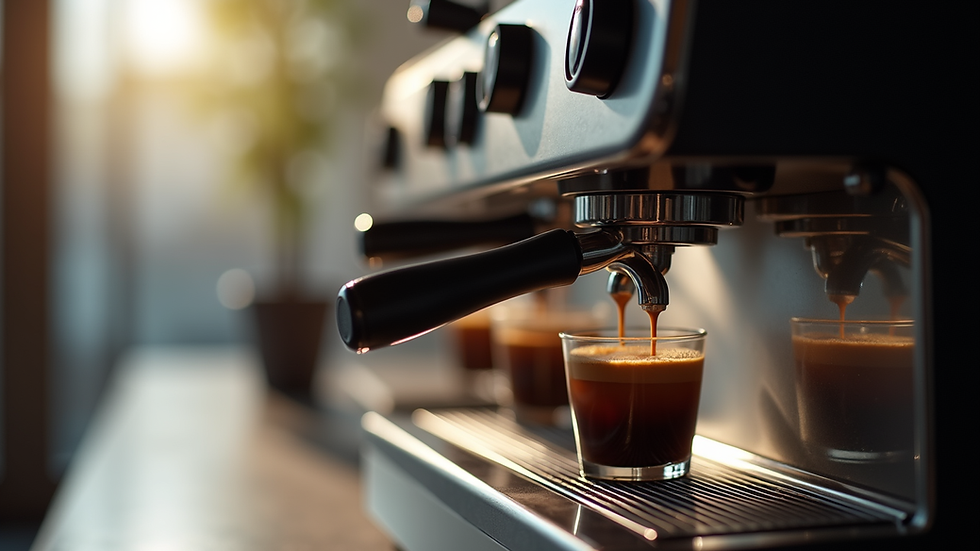
A small coffee shop faced the decision of whether to rent or purchase an espresso machine. After analyzing their budget and growth plans, they opted to rent. This decision allowed them to allocate funds to marketing and inventory while enjoying the latest equipment. As their business grew, they decided to purchase the machine, benefiting from the experience of using it in a real-world setting.
Case Study 2: A Large Beverage Distributor
A large beverage distributor chose to purchase their bottling equipment. With a significant initial investment, they were able to customize the machinery to fit their specific needs. Over time, the cost savings from not paying rental fees outweighed the initial expense, leading to a strong return on investment.
Making the Right Choice
Choosing between renting and purchasing beverage equipment depends on various factors unique to each business. Here are some steps to help you make the right decision:
Assess Your Budget: Determine how much you can afford to spend upfront and on an ongoing basis.
Evaluate Your Needs: Consider how long you will need the equipment and whether your needs may change in the future.
Research Options: Look into different rental agreements and purchasing options to find the best fit for your business.
Consult Experts: Speak with industry professionals or financial advisors to gain insights into the best choice for your specific situation.
Conclusion
The decision to rent or purchase beverage equipment is not one-size-fits-all. Each option has its advantages and disadvantages, and the right choice depends on your business’s unique circumstances. By carefully evaluating your needs, budget, and long-term goals, you can make an informed decision that supports your business’s growth and success.

As you navigate the complexities of B2B beverage solutions, remember that the right equipment can significantly impact your operational efficiency and customer satisfaction. Take the time to weigh your options, and don’t hesitate to seek advice from industry experts. Your choice today will shape your business’s future in the beverage industry.

Comments